



The La Jolla Marine Protected Area, also known as the La Jolla Ecological Reserve and Underwater Park, is one of the most important protected ocean ecosystems on the Southern California coast.
Covering nearly 6,000 acres of ocean habitat, the reserve stretches from the Seven Sea Caves near La Jolla Cove north toward Scripps Pier. Within this designated Marine Protected Area (MPA), fishing and harvesting are restricted in order to preserve fragile marine habitats and allow ecosystems to recover and thrive.
What makes the La Jolla Ecological Reserve especially unique is the combination of four distinct underwater habitats located within a relatively small stretch of coastline. Sandy flats, rocky reefs, giant kelp forests, and the dramatic La Jolla Submarine Canyon all exist side-by-side, creating an environment that supports an extraordinary range of marine species.
This guide explains how these habitats work together and why the La Jolla Marine Protected Area has become one of the most biologically rich coastal ecosystems in California.
The Four Micro-Habitats of the La Jolla Ecological Reserve
The incredible biodiversity of La Jolla’s waters is largely due to the presence of four different ocean environments, each supporting different marine species.
Sandy Flats
The first habitat extending outward from the shoreline is the sandy flats.
At first glance, this smooth ocean floor may appear quiet and empty, but it is actually home to a surprising amount of marine life. Beneath the sand, numerous animals forage for food or bury themselves for protection.
Common wildlife found in the sandy flats includes:
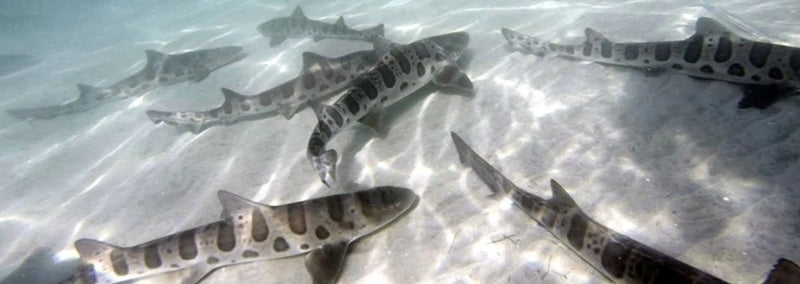
• Leopard sharks
• Bat rays and stingrays
• Shovelnose guitarfish
• Purple sand dollars
During the summer months, large numbers of leopard sharks gather in the shallow waters near La Jolla Shores, creating one of the most famous seasonal wildlife events along the Southern California coast.
Rocky Reef
Moving closer to the La Jolla Cove and the Seven Sea Caves, the sandy bottom transitions into a rocky reef habitat.
These reefs provide crevices, ledges, and boulders that create ideal hiding places for marine animals. The rocky reef supports a wide range of species that rely on structure and shelter.
Animals commonly found in this habitat include:
• Garibaldi (California’s state marine fish)
• California spiny lobsters
• Moray eels
• octopus and reef fish
Rocky reefs are one of the most biologically productive habitats in the reserve because they provide both protection and feeding grounds for many species.
Giant Kelp Forest
Further offshore lies the giant kelp forest, one of the most iconic ecosystems in La Jolla.
Towering strands of kelp grow from the ocean floor toward the surface, forming dense underwater forests that provide shelter and food for countless marine animals.
Within the kelp forest you may see:
• California sea lions
• schools of reef fish
• giant sea bass
• garibaldi and other colorful reef species
These kelp forests act as nurseries for many young fish and play a critical role in maintaining the health of the La Jolla marine ecosystem.
Submarine Canyon Drop-Off
Just offshore from the reserve lies one of La Jolla’s most important geological features: the La Jolla Submarine Canyon.
This underwater canyon begins close to shore and drops rapidly in depth, creating a dramatic transition from shallow coastal waters to the deep Pacific Ocean.
In some places the ocean floor drops from 20–30 feet to more than 100 feet within only a few hundred yards, eventually descending to depths exceeding 600 feet.
The canyon pulls nutrient-rich water from deeper offshore environments, which fuels plankton growth and attracts large numbers of fish and marine mammals.
Because of this nutrient flow, the canyon helps support:
• large schools of baitfish
• dolphins
• migrating whales
• seabirds and marine predators
This constant supply of nutrients is one of the main reasons why the La Jolla Ecological Reserve contains such abundant wildlife.
Exploring La Jolla's Marine Protected Area
Observing wildlife in the La Jolla Ecological Reserve is best done in ways that minimize disturbance to the surrounding environment.
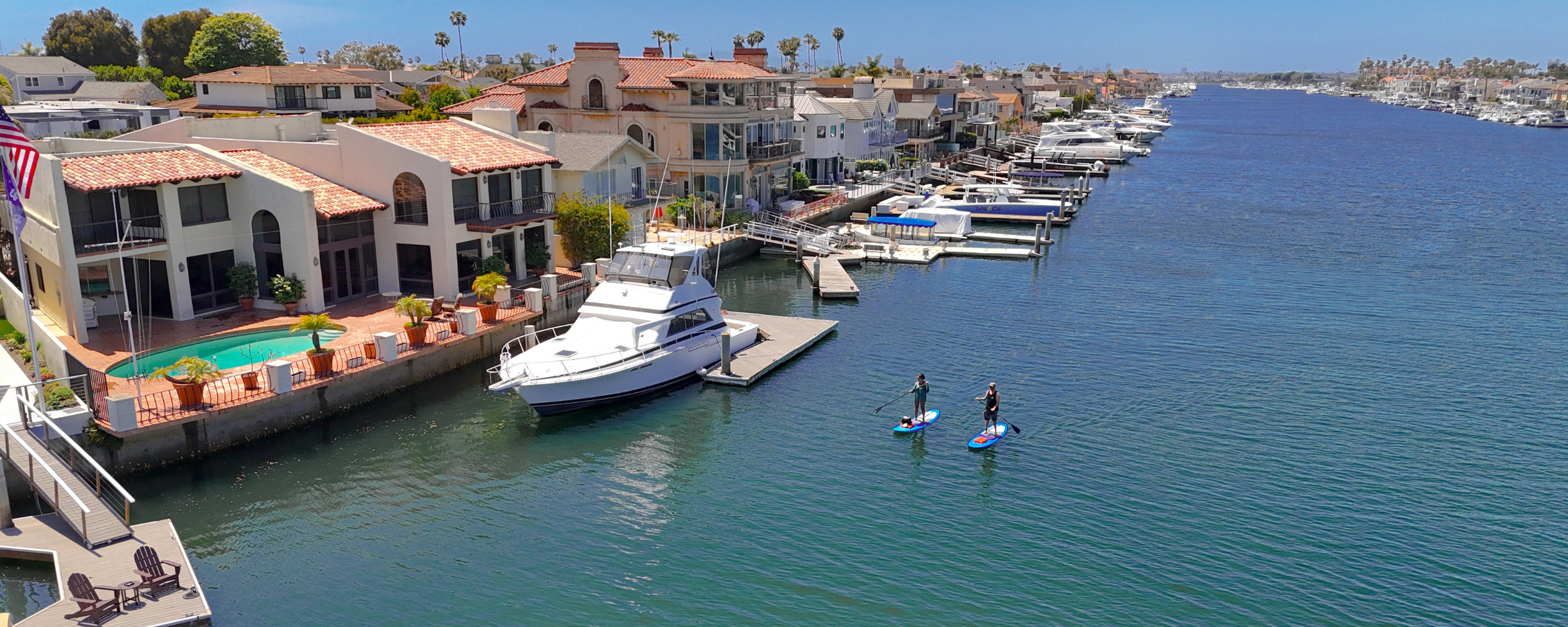
Human-powered activities like kayaking, paddle boarding, and snorkeling allow visitors to move through the reserve while experiencing the coastline and marine life up close. Because there are no engines or loud mechanical noise, wildlife often behaves naturally around these types of activities.
Paddling through the reserve can bring you past kelp forests, rocky reefs, and the entrances to the Seven Sea Caves, where sea lions, fish, and other marine animals are commonly seen moving through the ecosystem.
If you’d like to experience the reserve from the water while learning about the ecosystem and local wildlife, you can explore our La Jolla ocean tours and eco-friendly experiences here →
Why Marine Protected Areas Matter
The La Jolla Ecological Reserve is part of California’s network of Marine Protected Areas, which are designed to preserve ocean ecosystems and allow marine life to recover from decades of fishing pressure and habitat disturbance.
In this protected zone, fishing and harvesting of marine life are restricted. These protections allow fish populations to grow larger, live longer, and reproduce more successfully than in many unprotected coastal areas.
Over time, these protections help restore balance to the ecosystem. Larger fish populations support predators like dolphins and sea lions, while healthy kelp forests provide shelter for young fish and countless invertebrates.
The reserve also protects important geological features such as the La Jolla Submarine Canyon, which pulls nutrient-rich water toward the coast and fuels the entire food chain within the underwater park.
Because these habitats remain largely undisturbed, the La Jolla Ecological Reserve offers a rare glimpse into what a healthy Southern California marine ecosystem looks like — something that has become increasingly uncommon along developed coastlines.
Today, the reserve serves both as a sanctuary for wildlife and as a living classroom where visitors can better understand how ocean ecosystems function when they are properly protected.